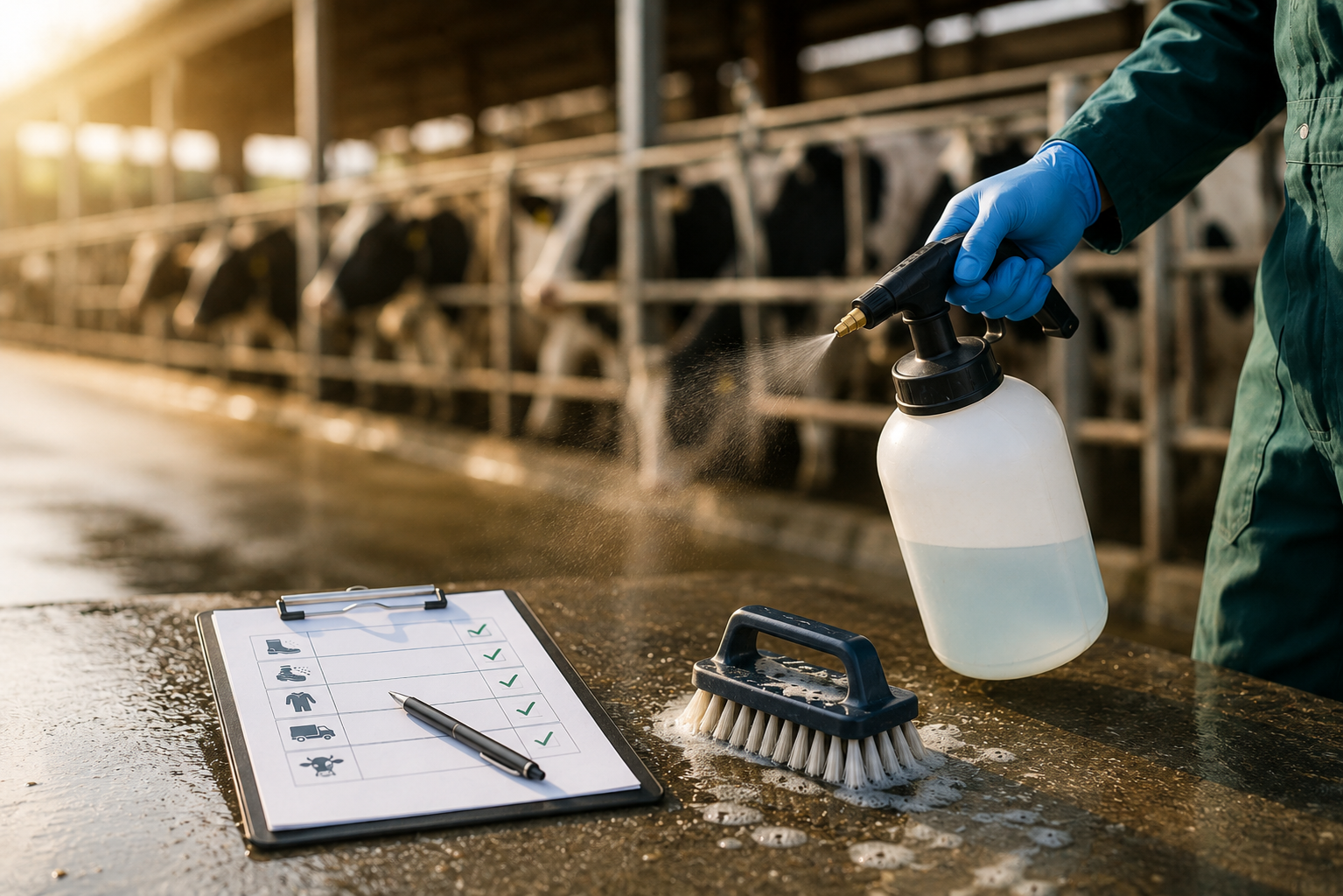
In modern livestock farming, success depends on more than genetics, nutrition, and productivity. One of the most important factors affecting animal health, farm profitability, and food safety is biosecurity.
Biosecurity refers to a set of measures designed to prevent the introduction and spread of infectious diseases on farms. These measures include controlling the movement of people, vehicles, equipment, and animals.
The spread of infectious diseases often begins with seemingly minor oversights, such as contaminated footwear, improperly disinfected equipment, or newly introduced animals that have not undergone quarantine. Such incidents can result not only in animal health problems but also in significant economic losses for the farm.
Disease outbreaks may also reduce productivity, increase treatment costs, and create risks throughout the entire food production chain from the farm to the final consumer.
Animal health is directly linked to the quality and safety of the food products that reach consumers. Healthy animals contribute to safe, high-quality, and reliable food production.
Today, as international food safety standards continue to become more stringent, biosecurity is no longer just a recommendation, it is an essential component of modern and responsible farming practices.
A well-implemented biosecurity program helps prevent disease outbreaks, reduces the need for antibiotic use, improves animal welfare, and strengthens the economic sustainability of farming operations. This is why leading agricultural enterprises around the world continue to invest in preventive measures and advanced biosecurity protocols.
Protecting farms from disease is not only important for individual producers. It is a crucial step toward safeguarding animal health, ensuring food safety, and supporting the sustainable development of the entire agri-food sector. Every investment in biosecurity today helps prevent far greater risks and losses in the future.