Composition:
Bavet meloxicam is a clear, yellow, odorless sterile solution for injection, each ml containing 5 mg of meloxicam.
Target animals:
Cattle, dog, cat
Indications:
Cattle - Used in acute respiratory infections with appropriate antibiotic therapy to reduce clinical signs in cattle. - Used in diarrhea with oral rehydration therapy to reduce clinical signs in calves over one week of age and young, non-lactating cattle.
- To relieve post-operative pain in the calf after dehorning. Dogs - Alleviation of inflammation and pain in both acute and chronic musculoskeletal conditions.
- To reduce postoperative pain and inflammation symptoms after orthopedic and soft tissue surgery.
Cats - Reduction of postoperative pain after ovariohysterectomy and minor soft tissue surgery.
Method of administration and dosage:
Cattle: - Single subcutaneous or intravenous injection at a dose of 0.5 mg meloxicam/kg body weight (ie 10.0 ml/100 kg live weight) in combination with antibiotic therapy or oral rehydration therapy if necessary.
Reduction of postoperative pain: single intramuscular injection at a dose of 0.4 mg meloxicam/kg body weight (ie 0.4 ml/5 kg live weight) before surgery. Special care must be taken to ensure accurate dosing. Take maximum precautions to avoid contamination during use. Dog: Musculoskeletal diseases: - Single subcutaneous injection at a dose of 0.2 mg meloxicam/kg body weight (ie 0.4 ml/10 kg live weight). To continue the treatment, 24 hours after the injection, oral meloxicam-eg. Use of suspension or tablet with appropriate recommendation. Reduction of postoperative pain (within 24 hours): a single intravenous or subcutaneous injection at the following dose - 0.2 mg meloxicam/kg body weight (ie 0.4 ml/10 kg live weight) before surgery, for example, during anesthesia. Cat: Reduction of postoperative pain: single subcutaneous injection at a dose of 0.3 mg meloxicam/kg body weight (ie 0.06 ml/5 kg live weight) before surgery, for example during anesthesia. The accuracy of dosing is especially important. Take maximum precautions to avoid contamination during use.
Special clinical information and special warnings for each target animal:
Treating calves with a veterinary medicinal product 20 minutes before dehorning reduces postoperative pain. A veterinary drug alone cannot provide adequate pain relief during the dehorning procedure. In order to effectively relieve pain during surgery, it is necessary to use appropriate analgesia together. In case of development of adverse reactions, the treatment should be stopped and a veterinarian should be consulted. Avoid use in dehydrated, hypovolemic or hypotensive animals requiring parenteral rehydration as there may be a risk of developing renal failure. Monitoring and fluid therapy during anesthesia should be considered standard practice. Do not continue oral administration of meloxicam or other nonsteroidal anti-inflammatory drugs (NSAIDs) in cats, as an appropriate oral dose has not been established.
Use during pregnancy, lactation, childbirth:
Can be used during lactation in livestock. The safety of the veterinary drug during pregnancy and lactation in dogs and cats has not been established. Therefore, it is not recommended to use the product in dogs and cats at such times.
Adverse effects: Cattle:
Cattle adapt well to intramuscular and intravenous injection; In less than 10% of clinical trials, only minor temporary swelling at the injection site was observed. Anaphylactic reactions, which may be serious (including fatal), have been reported in very rare cases, in which case symptomatic treatment should be administered.
Cat-Dog: Typical side effects of NSAIDs such as loss of appetite, vomiting, diarrhea, occult blood in stool, lethargy and renal failure have been observed only in very rare cases. Very rare cases of hemorrhagic diarrhea, hematemesis, gastrointestinal ulceration, and elevated liver enzymes have been reported. These side effects usually occur during the first week of treatment and are in most cases temporary and disappear after treatment is stopped, but in very rare cases they can be serious or fatal. Anaphylactic reactions are recorded in very rare cases and require symptomatic treatment. In case of side effects, the treatment should be stopped and a veterinarian should be consulted. The frequency of side effects is determined by the following standard: - very common (side effect(s) occurred in more than 1 in 10 treated animals) - common (more than 1 but less than 10 animals in 100 treated animals) - rare (1 more than but less than 10 animals in 1000 animals treated) - relatively rare (more than 1 but less than 10 animals in 10000 animals) - very rare (less than 1 animal in 10000 animals).
Interaction with medicines:
In combination with other non-steroidal anti-inflammatory drugs, diuretics, anticoagulants, aminoglycoside antibiotics and substances with high protein binding, binding competition may develop and, therefore, toxic effects may occur. Do not use with glucocorticosteroids, other non-steroidal anti-inflammatory drugs or anticoagulants. Concomitant administration of potentially nephrotoxic drugs should be avoided. In animals at risk of anesthesia (eg, elderly animals), it is necessary to consider rehydration therapy during anesthesia. When using anesthesia and non-steroidal anti-inflammatory drugs at the same time, damage to kidney function cannot be excluded. Pretreatment with anti-inflammatory agents may cause additional side effects or increase their frequency, and therefore cattle should be observed for 24 hours before treatment with such drugs. Do not mix with other medical products.
Overdose symptoms and antidotes:
In case of overdose, symptomatic treatment should be started.
Waiting period:
Cattle: meat and offal: 15 days; Milk - 5 days.
Contraindications:
Do not use in dogs and cats during pregnancy and lactation. Do not use in animals with liver, heart or kidney failure, hemorrhagic diseases or gastrointestinal disorders such as irritation and bleeding. Do not use in case of hypersensitivity to the active substance or any of the excipients. For the treatment of diarrhea in livestock, do not use in animals less than one week old. Do not use in cats and dogs less than 6 weeks of age and in cats weighing less than 2 kg.
General warnings:
Consult a veterinarian before using the drug and also in case of unexpected effects.
Keep out of reach of children and away from foodstuffs.
Special precautions should be taken by the person administering the medicinal product to the animal
Accidental self-injection can cause pain. Meloxicam and other NSAIDs can cause hypersensitivity (allergic reactions). People with hypersensitivity to NSAIDs should avoid contact with these veterinary medicinal products. In case of accidental self-injection, seek medical advice immediately and show the leaflet or label. Meloxicam can be particularly harmful to the fetus. Pregnant women should avoid the injection of the mentioned product for cattle.
Storage conditions and shelf life:
Store in factory packaging, do not freeze, refrigerator temperature should be below 25°C. Protect from sunlight. The shelf life is 36 months from the date of manufacture. Shelf life after first opening - 28 days. After first opening, the product should be stored in its original packaging without freezing and in a refrigerator at a temperature below 25°C. It is allowed to pierce the cork only 20 times.
Special precautions for the disposal of unused veterinary medicinal products or waste materials derived from the use of such products
Any unused veterinary medicinal product or waste resulting from the use of such veterinary medicinal product should be disposed of in accordance with local requirements.
Pharmacotherapeutic group:
Anti-inflammatory and anti-rheumatic products, non-steroids. ATC. Vet. Code: QM01AC06
Commercial packaging:
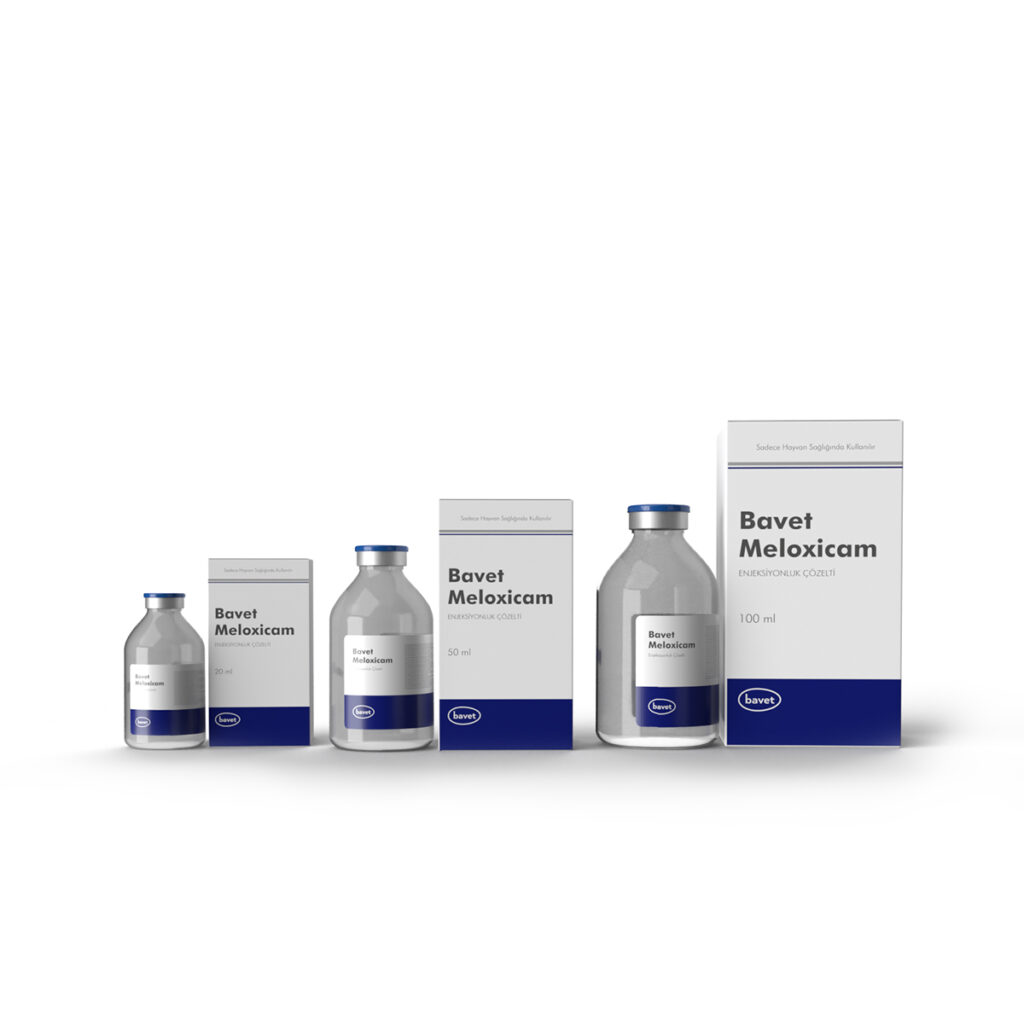
It is presented for sale in 100 ml type I colorless glass vials with a 20 mm gray bromobutyl stopper and a 20 mm blue cap.
Marketing Authorization Holder:
Bavet İlaç San. ve Tic. A.Ş.
İstanbul Tuzla Organize San. Bölgesi (ITOSB) 12. Cad. No.8 34959 Tepeören, Tuzla Istanbul /Turkey
Manufacturer:
Arion İlaç San. Tic. A.Ş. İstanbul Tuzla Organize San. Bölgesi (ITOSB) 12. Cad. No.8 34959 Tepeören, Tuzla Istanbul /Turkey
Importer in Georgia:
Invet Ltd. 404387481, Georgia, Tbilisi, 0154, Vakhushti Bagrationi st. N84a (032) 2 25 19 66
152 VET 0072-03-Eng-02