
Nowadays, In-OVO vaccination is the most commonly used and used vaccination method in the poultry industry. This method uses most of the world's poultry farms (for example, 96% of the US-based poultry uses an in-OVO vaccination), as it has been shown by many pneumonia that the advantage of this method is compared to other vaccination methods.
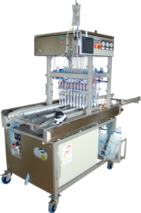
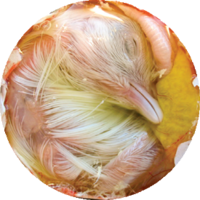
The use of In-OVO vaccination apparatus is a complex process involving knowledge of the embryonic development process or the date of incubation and which vaccine injection should be administered. Optimum time In-OVO vaccination is 17.5-19.2 days of embryo development (chalk is under the right wing, and the yellow park begins to transplant the baby to the abdominal cavity), and the relevant injections are: amniotic hollow and embryo's body. Therefore, post-vaccine reactions are not observed, and the chicken cutting is the maximum. In early or late vaccinated chicks, egg injection in other layers leads to swings and immune reactions.
In recent years, the embryo in-OVO injection has become an important vaccination method used to prevent infectious diseases. The use of new generation vaccines (Transmune IBD, Vectormune ND, VAXXITEK HVT + IBD & hellip;) is recommended by the In-OVO vaccination method to avoid stress in 1-day chickens, based on the above-mentioned advantages as recommended by poultry vaccines manufacturers. And to promote early immunity.